
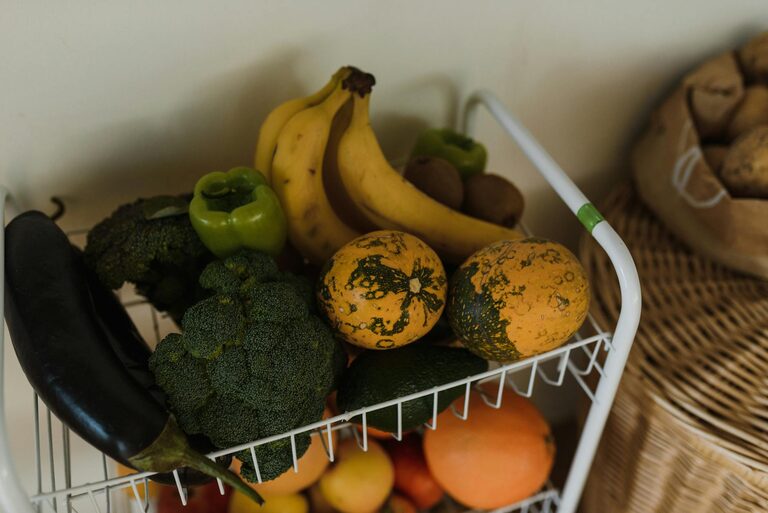
Keeping your fridge and pantry tidy is key to an organized kitchen, saving time and reducing food waste. With a little effort and a few simple strategies, you can create an efficient food storage system that makes cooking and grocery shopping easier. In this blog post, we’ll explore practical tips to help you maintain a clean and orderly fridge and pantry.
Why Keeping Your Fridge and Pantry Tidy Matters
A tidy fridge and pantry help you:
– Quickly find ingredients
– Avoid buying duplicates
– Keep food fresh longer
– Reduce waste and save money
– Maintain food safety and hygiene
Let’s dive into how you can achieve this with practical steps.
Step 1: Start with a Thorough Declutter and Clean
Before organizing, take everything out of your fridge and pantry. Check expiration dates and toss expired or spoiled items. Wipe down all shelves, drawers, and containers with a mild cleaning solution or warm soapy water. Dry surfaces completely before replacing items.
Step 2: Use Clear Containers and Labels
Clear containers allow you to see what’s inside at a glance, which helps prevent forgotten, unused food. Use uniform containers for loose items like grains, nuts, and snacks. Label each container with its contents and use-by date to stay organized.
Benefits of Labeling
– Helps identify items quickly
– Reminds you when food will expire
– Encourages using older products first
Step 3: Organize by Category and Frequency of Use
Group similar items together. For example:
In the Fridge
– Dairy products
– Meat and fish (preferably on the bottom shelf)
– Fruits and vegetables (in designated drawers)
– Condiments and sauces (door shelves)
In the Pantry
– Baking supplies
– Canned goods
– Snacks and cereals
– Spices and herbs
Place frequently used items at eye level or in easy-to-reach spots, while less frequently used products can go on higher or lower shelves.
Step 4: Create Zones for Different Needs
Creating zones in your storage spaces can streamline your cooking and shopping.
Fridge Zones
– Ready-to-eat foods: leftovers, dips, and drinks
– Raw proteins: meats, poultry, and fish on the safest shelves (usually the bottom)
– Fruits and vegetables: in humidity-controlled drawers to keep them fresh longer
Pantry Zones
– Everyday staples: pasta, rice, flour near the front
– Long-term storage: extra stock items on higher shelves
– Small items: use baskets or bins to contain snack packets or seasoning jars
Step 5: Use Storage Accessories
Consider using accessories that help maximize space and convenience, such as:
– Shelf risers to create more layers
– Lazy Susans for spices and sauces
– Bins and baskets to group items
– Clear stackable containers for cereals and grains
– Door organizers for small bottles and condiments
Step 6: Practice FIFO (First In, First Out)
This principle means you use older items before newer ones. When restocking, place new groceries behind older ones. This helps prevent food from spoiling unnoticed.
Step 7: Keep a Running Inventory and Shopping List
Maintain a list of pantry and fridge items to track what you have and what you need. Some people use apps or simply keep a written list on the fridge. This helps minimize overbuying and ensures you use what’s available.
Step 8: Schedule Regular Maintenance
Set a weekly or bi-weekly routine to:
– Check for expired foods
– Wipe down surfaces
– Reorganize items as needed
Small ongoing efforts prevent clutter buildup and maintain your system.
Additional Tips for a Tidy Fridge and Pantry
– Avoid overcrowding to allow proper air circulation
– Use airtight containers to keep pests away and food fresh
– Keep a small trash bin nearby for quick disposal while unpacking groceries
– Store herbs and greens properly in damp paper towel or water jars to extend freshness
Conclusion
A tidy fridge and pantry can greatly improve your kitchen efficiency, reduce waste, and make daily meal prep more enjoyable. By decluttering, grouping items logically, using containers and labels, and practicing regular maintenance, you’ll create an organized food storage system that works for you. Happy organizing!
—
Feel free to share your favorite fridge and pantry organization tips in the comments below!